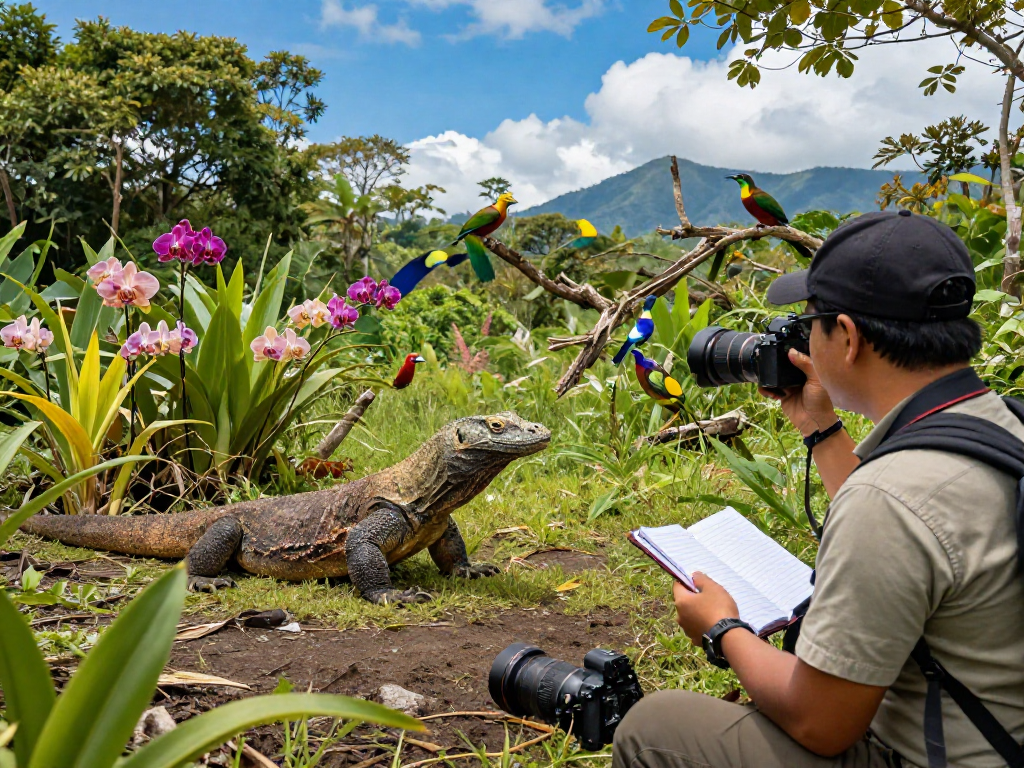
Understanding Indonesia's Unique Biodiversity
Indonesia, an archipelago of over 17,000 islands, boasts one of the most diverse ecosystems on the planet, making it a treasure trove for biodiversity enthusiasts. The country's unique geographical placement at the intersection of the Indian and Pacific Oceans has resulted in a vast array of habitats teeming with a multitude of species. As we explore the rich biodiversity of Indonesia, we uncover the significance of this natural wealth, not only for ecological balance but also for sustainable development and cultural heritage. For those seeking detailed insights about Indonesia's biodiversity, https://petsnatureworld.com offers valuable resources and information.
What is Biodiversity in Indonesia?
Biodiversity in Indonesia refers to the variety and variability of life forms within the country's ecosystem. This includes the diversity of species, genetic variation among these species, and the complex ecosystems that they form. Indonesia's biodiversity is characterized by high levels of endemism, where many species are unique to specific regions due to the isolation of its islands. This richness is evident in Indonesia's flora and fauna, covering everything from lush tropical rainforests to marine environments.
Key Flora and Fauna Species
Many species thrive in Indonesia, some of which are recognized globally for their uniqueness and ecological importance. Iconic species include:
- Komodo Dragon (Varanus komodoensis) - The world's largest living lizard, found on the islands of Komodo, Rinca, Flores, and Gili Motang.
- Sumatran Orangutan (Pongo abelii) - One of the few great apes native to Asia, this critically endangered species is primarily found in the rainforests of Sumatra.
- Javan Rhino (Rhinoceros sondaicus) - With only about 80 individuals left, this species is found solely in Ujung Kulon National Park.
- Rafflesia arnoldii - Known as the corpse flower, it produces the largest single flower in the world, famous for its strong odor of decaying flesh.
Additionally, Indonesia is home to over 40,000 plant species, with many being endemic and used for various medicinal, culinary, and cultural purposes.
The Importance of Ecosystems
Indonesia's ecosystems play a critical role in maintaining environmental balance and sustaining human life. Diverse habitats such as coral reefs, mangroves, and rainforests contribute to carbon sequestration, which is vital for combating climate change. Furthermore, these ecosystems provide essential resources, including food, clean water, and raw materials for local communities. Preservation of habitats is not only crucial for the survival of species but also for the livelihoods of millions of Indonesians who depend on these natural resources.
Exploring Indonesia’s Tropical Forests
Major Tropical Forest Regions
The tropical forests of Indonesia are among the most biodiverse and ecologically significant in the world. Key regions include:
- Borneo - Known for its expansive rainforests and orangutan populations, Borneo's forests are threatened by logging and palm oil plantations.
- Sumatra - Home to critically endangered species such as the Sumatran tiger and elephant, this island's forests are facing severe fragmentation.
- Java - While heavily populated, Java still holds unique species like the Javan gibbon and various endemic plants.
Notable Species and Their Habitats
Each of these regions hosts a plethora of species adapted to their environments. For instance, Borneo’s rich peat swamps support a variety of wildlife, while Sumatra’s mountainous areas provide refuge for unique flora. Understanding these habitats is critical for conservation efforts.
Conservation Efforts and Challenges
Despite efforts from government and NGOs, Indonesia's tropical forests face numerous challenges from deforestation, climate change, and habitat destruction. Initiatives such as the Heart of Borneo project focus on sustainable management and habitat protection, yet continued support and awareness are essential.
Documenting Nature: Tools and Techniques
Best Practices for Field Research
Field research in the field of biodiversity requires careful planning and ethical considerations. Researchers should prioritize minimal disturbance to wildlife and collect data responsibly. Collaborating with local communities often enhances research outcomes, providing cultural insights and facilitating conservation efforts.
Photography Tips for Wildlife
Capturing the beauty of Indonesia’s wildlife through photography requires patience and respect for animals. Techniques such as using natural light, understanding animal behavior, and maintaining a safe distance can result in breathtaking shots without interfering with the ecosystem.
Using Technology in Biodiversity Research
Advancements in technology, such as drone imagery and camera traps, have revolutionized biodiversity studies, allowing for more efficient monitoring of wildlife and habitats. These tools enhance data collection and provide critical insights into species behavior and environmental changes.
Educational Resources for Nature Enthusiasts
Online Platforms for Learning
Many platforms now offer online courses and resources aimed at educating individuals about biodiversity. Engaging with these platforms can foster a deeper understanding of ecological principles and inspire conservation action.
Interactive Apps for Identifying Species
Mobile applications are invaluable tools for nature enthusiasts looking to identify flora and fauna. Apps like iNaturalist and PlantSnap allow users to contribute to citizen science by documenting sightings and aiding in species identification.
Books and Publications on Biodiversity
A wealth of literature exists on Indonesia's biodiversity, providing insights into species conservation, ecological history, and more. Recommended readings can enhance one’s appreciation and understanding of the unique ecosystems found here.
Future Trends in Biodiversity Conservation
Innovative Conservation Strategies for 2026
Looking forward, the focus on biodiversity conservation is likely to include innovative strategies such as habitat restoration using modern techniques and increased community involvement in conservation efforts. Partnerships between governmental agencies and NGOs can enhance resource allocation and project success.
The Role of Community in Conservation
Local communities are pivotal in conservation efforts, serving as stewards of their environment. Engaging them through education and sustainable practices fosters a sense of ownership and responsibility for natural resources.
Global Impact of Indonesia's Biodiversity
Indonesia's biodiversity extends its influence beyond its borders. As one of the planet's most significant carbon sinks and a reservoir of potential medicinal resources, the preservation of its biodiversity is a global concern.
What are the Benefits of Studying Biodiversity?
Understanding biodiversity is essential for several reasons, including ecological health, climate resilience, and the preservation of cultural heritage. Studies in biodiversity contribute to sustainable development goals by promoting awareness and shaping policies.
How Can You Contribute to Conservation?
Individuals can take actionable steps towards conservation by supporting local conservation organizations, participating in clean-up activities, and advocating for sustainable practices in their communities. Every effort counts toward preserving the rich biodiversity that Indonesia has to offer.