
Introduction to Sports Broadcasting
What is Sports Broadcasting?
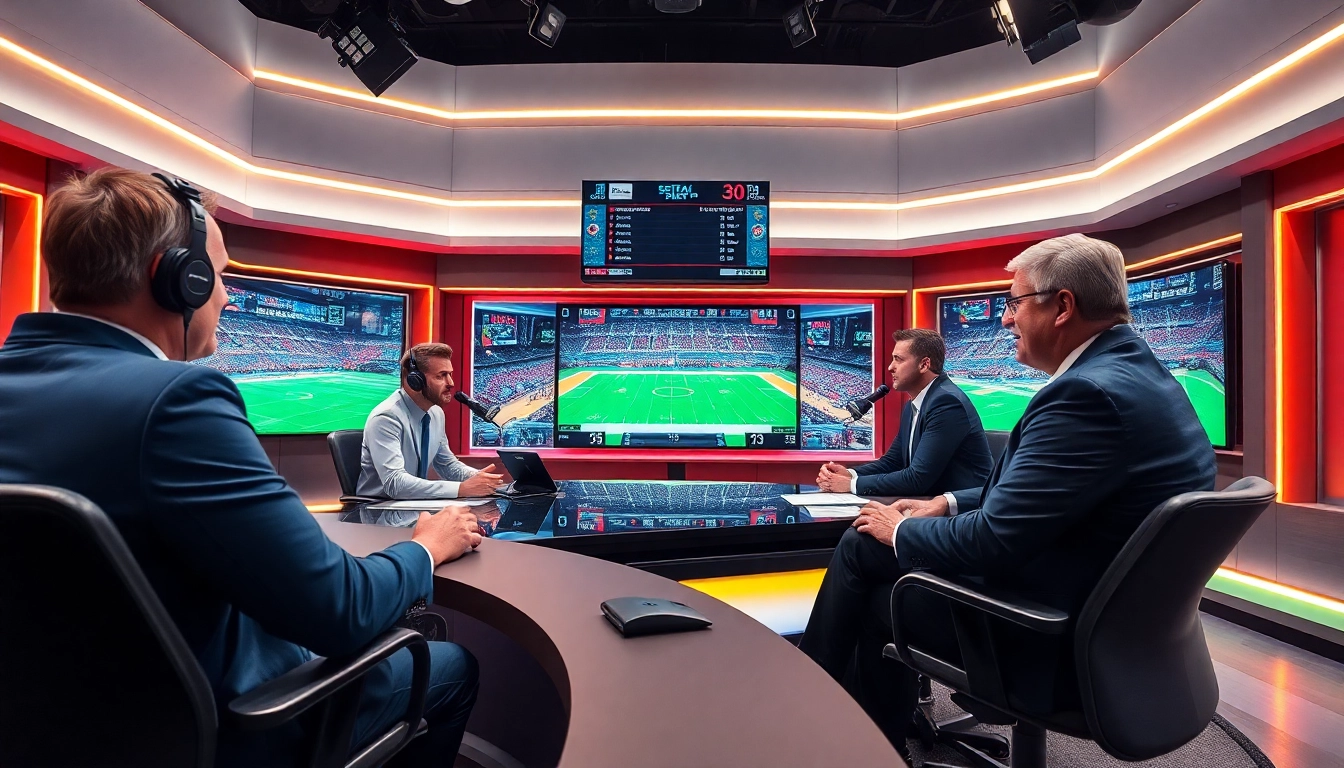
Sports Broadcasting refers to the live transmission of sporting events via radio, television, and online platforms. It encompasses various formats, from live coverage of NFL games to highlights of NBA matches, fulfilling the demand for real-time updates and entertainment for sports enthusiasts worldwide. The rise of Sports Broadcasting has transformed how fans interact with their favorite sports, enabling them to experience events from the comfort of their homes or while on the go.
History and Evolution of Sports Broadcasting
The roots of sports broadcasting can be traced back to the early 20th century when radio became a popular medium. The first-ever sports broadcast occurred in 1921, marking the beginning of a long and transformative journey in sports media. Over the decades, television emerged, revolutionizing how sporting events were consumed, allowing viewers to watch competitions unfold live, and bringing athletes and teams into homes across the globe.
As technology advanced, digital broadcasting began to take shape, with cable networks providing extensive coverage and analysis. The advent of the internet and streaming services further accelerated this evolution, enabling fans to access content from various platforms, including mobile devices. Today, the sports broadcasting landscape is a dynamic interplay between traditional networks and new media platforms, each competing for viewer attention and engagement.
Key Players in the Sports Broadcasting Industry
Key players in the sports broadcasting industry include traditional television networks, specialized sports channels, and digital platforms. Major networks like ABC, CBS, NBC, and ESPN have long dominated the landscape, offering extensive packages covering various sports, from college football to professional basketball. Meanwhile, digital platforms, including YouTube and streaming services like Hulu, have emerged as formidable competitors, attracting younger audiences who favor on-demand content.
Additionally, leagues and teams themselves have begun to take control of their broadcasting rights, launching proprietary networks and digital services to cater to their fans directly. This shift has redefined the industry’s power dynamics, compelling traditional broadcasters to innovate continually in terms of content, delivery, and viewer engagement strategies.
Technological Advances in Sports Broadcasting
The Role of Streaming Services
Streaming services have played a revolutionary role in reshaping the sports broadcasting landscape. With platforms like Netflix and Amazon Prime leading the way in on-demand content, sports streaming services allow fans access to live events without relying solely on traditional cable subscriptions. These services offer flexible viewing options, making it easier for users to engage with sports whenever and wherever they prefer.
Moreover, exclusive broadcasts of major sporting events, such as the NFL or UEFA Champions League, are increasingly being offered through streaming platforms. This trend not only reflects changing consumer preferences but also highlights the competitive landscape as streaming services vie for exclusive broadcasting rights to attract subscribers. This democratization of content distribution enables niche sports to gain visibility, democratizing access and encouraging diverse viewer engagement.
Impact of Virtual and Augmented Reality
Virtual Reality (VR) and Augmented Reality (AR) technologies have begun to carve out a significant niche in sports broadcasting, enhancing the viewer experience in ways previously unimaginable. VR allows fans to feel as though they are part of the action, whether sitting courtside at a basketball game or experiencing a football match from the perspective of a player. Meanwhile, AR offers real-time statistics and interactive graphics overlaid on live broadcasts, deepening audience engagement by providing context and insight as events unfold.
The integration of these technologies enhances viewers’ experiences by making broadcasts more immersive and informative, and providing a sense of presence during live events. This technology also presents new monetization avenues for broadcasters, with opportunities for sponsorship and advertising integrated into the VR and AR experience.
Data Analytics in Broadcasting
Data analytics has become increasingly essential in sports broadcasting, offering insights that enrich the viewing experience and drive viewer engagement. Broadcasters increasingly rely on data to optimize their programming and tailor content to audience preferences. This includes implementing advanced statistics to provide detailed analyses of player performance, game strategies, and historical context, culminating in richer storytelling for viewers.
Additionally, by harnessing viewer data, networks can adjust advertising strategies, deliver personalized content, and enhance audience engagement through targeted promotions and interactive content. This focus on data not only improves the quality of broadcasts but also fosters a deeper connection with fans, aligning content with their preferences more effectively.
Challenges in Sports Broadcasting
Addressing Viewer Demand for Accessibility
As audiences grow more diverse, the demand for accessibility in sports broadcasting has intensified. Viewers expect to access content across multiple devices, tailoring their experiences according to personal preferences. This has compelled broadcasters to invest in multi-platform strategies, ensuring that their content is accessible on smartphones, tablets, and smart TVs.
Furthermore, accessibility encompasses the need for closed captioning, audio descriptions, and language options to cater to viewers with disabilities or those who speak different languages. Catering to these needs enhances viewer inclusivity, fostering a broader audience and strengthening brand loyalty.
Navigating Copyright and Broadcast Rights
The complexities of copyright and broadcast rights present significant challenges for sports broadcasters. Securing the rights to air particular events often involves negotiated agreements, which can be costly and complex. As competition among networks heightens, negotiations become fraught, leading to ongoing legal discussions and potential disruptions in broadcasting schedules.
To navigate these challenges, broadcasters must develop strategic partnerships, optimizing their offerings to secure rights to coveted events while balancing viewer demands and commercial opportunities. This necessitates a high level of legal and strategic communication from industry stakeholders and a keen understanding of market trends.
Competition from New Media Platforms
The surge in popularity of new media platforms poses a growing threat to traditional sports broadcasting models. Social media, video-sharing sites, and dedicated sports apps provide an alternative way for fans to engage with content. These platforms often offer quick highlights, player interviews, and live updates, competing directly with traditional broadcasters and drawing viewers away.
To remain competitive, traditional broadcasters must adopt innovative strategies, incorporating social media elements into their broadcasts, creating shareable content, and leveraging fan engagement to encourage interactions. This adaptation to new media dynamics is essential for retaining viewership and ensuring the longevity of traditional broadcasting platforms in an ever-evolving landscape.
Future Trends in Sports Broadcasting
Interactive and Engaging Viewer Experiences
The future of sports broadcasting is headed towards more interactive and engaging viewer experiences, reflecting the desires of modern audiences for personalization and engagement. This trend involves integrating real-time statistics, social media interactions, and live polls into broadcasts, allowing viewers to participate actively rather than passively consuming content.
These interactive features foster community among fans, encouraging discussions and interactions that extend beyond the broadcast itself. Furthermore, by developing companion apps and customizable viewing options, broadcasters can create deeply personalized experiences for their audiences, adapting content to individual preferences while enhancing viewer retention.
Monetization Strategies for Content Creators
As new content creators emerge in the sports broadcasting realm, innovative monetization strategies become crucial for sustainable growth. Besides traditional advertising, content creators are exploring subscription-based models, crowdfunding, and direct merchandise sales. These diverse revenue streams enable them to generate income while offering value to their audiences.
Building exclusive behind-the-scenes content, engaging fans through Q&A sessions, or offering unique merchandise can drive monetization effectively. Successful content creators balance audience engagement with revenue generation, ensuring that their strategies align with the desires and interests of their fans.
The Role of AI in Sports Broadcasting
Artificial Intelligence (AI) is set to play a transformative role in sports broadcasting, automating processes and enhancing audience engagement. AI’s ability to analyze large datasets rapidly allows broadcasters to derive insights quickly, personalize viewer experiences, and enhance content curation.
AI technologies can also streamline operations, from automated highlights generation to audience sentiment analysis, allowing broadcasters to respond to viewer preferences instantaneously. Additionally, integrating AI into sports analytics provides deeper insights into player performance and game strategies, enriching the viewer experience.
Conclusion and Key Takeaways
Summarizing the Evolution of Sports Broadcasting
Sports broadcasting has undergone an incredible transformation, evolving from simple radio broadcasts to complex, multi-platform experiences that are highly interactive and personalized. With the convergence of technology and innovative content delivery systems, the future promises further evolution, catering to the desires of an increasingly diverse audience.
Preparing for Future Changes in the Industry
For stakeholders in the sports broadcasting industry, staying ahead of trends and anticipating changes is crucial. This involves being open to adopting new technologies, engaging with viewer preferences, and exploring innovative content monetization strategies. By embracing change, broadcasters can ensure they remain relevant and competitive in the face of evolving audience dynamics.
Final Thoughts on Viewer Engagement
Engaging viewers through effective broadcasting strategies has never been more critical. By leveraging technology, offering personalized experiences, and understanding diverse audience needs, broadcasters can forge deeper connections with fans, reinforcing loyalty and growing their audiences in this fast-paced, ever-evolving landscape.
Frequently Asked Questions
What is Sports Broadcasting?
Sports Broadcasting involves the live transmission of sporting events via various mediums, including radio and television, enabling fans to engage with events in real-time.
How has technology changed Sports Broadcasting?
Technology has transformed Sports Broadcasting by introducing streaming services, enhancing the viewer experience with VR and AR, and utilizing data analytics for personalized content.
What challenges does Sports Broadcasting face?
Key challenges include meeting viewer accessibility demands, navigating copyright complexities, and competing against new media platforms for audience engagement.
What will the future of Sports Broadcasting look like?
The future will likely see increased interactivity, personalized viewer experiences, innovative monetization strategies, and a significant role for AI in enhancing content delivery.
How do subscription-based models work in Sports Broadcasting?
Subscription-based models allow fans to pay for exclusive content access, including live events, behind-the-scenes footage, and personalized experiences, providing revenue for content creators.